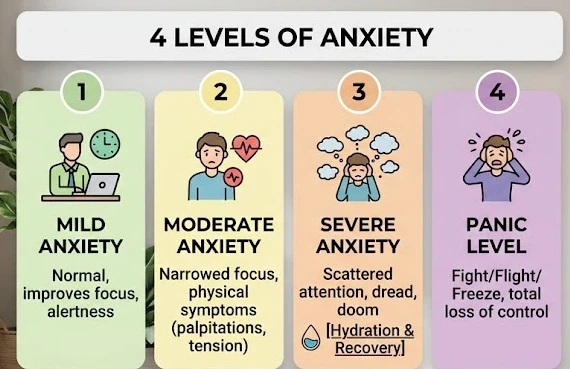
Anxiety is more than just feeling stressed; it is a complex physiological and mental health condition that affects millions. Whether you are dealing with occasional overwhelm or a diagnosed disorder, understanding the landscape of anxiety is the first step toward reclaiming your calm.
What Are The 7 Types Of Anxiety?
While many people use "anxiety" as a broad term, clinical experts often categorize it into seven primary types:
Generalized Anxiety Disorder (GAD): Chronic, exaggerated worrying about everyday life.
Social Anxiety Disorder: Intense fear of social situations or being judged.
Panic Disorder: Characterized by sudden, recurring panic attacks.
Specific Phobias: Intense fear of a specific object or situation (e.g., heights, flying).
Obsessive-Compulsive Disorder (OCD): Repetitive thoughts (obsessions) and behaviors (compulsions).
Post-Traumatic Stress Disorder (PTSD): Anxiety triggered by a past traumatic event.
Separation Anxiety Disorder: Excessive fear about being away from home or loved ones.
Top Medications For Anxiety: What Are The Options?
Medication can be a life-saving tool when managed by a professional. While the "best" choice depends on your specific type of anxiety, commonly prescribed options include:
SSRIs (e.g., Zoloft, Lexapro): Often considered the first line of long-term treatment.
SNRIs (e.g., Cymbalta, Effexor): Used for both anxiety and depression.
Benzodiazepines (e.g., Xanax, Ativan): Used for immediate, short-term relief (high risk of dependency).
Beta-Blockers: Help manage physical symptoms like rapid heartbeat.
What Is The Best Happy Pill For Anxiety?
There is no single "happy pill." Medication aims to balance neurotransmitters like Serotonin and GABA. However, many find that biological support—such as Magnesium-rich IV Drips—acts as a natural "calmness booster" by soothing the nervous system without the side effects of heavy sedatives.
How To Deal With Extreme Anxiety?
When anxiety hits an extreme level, you need a two-pronged approach:
Immediate Grounding: Use the 3-3-3 rule or deep belly breathing to signal safety to your brain.
Biological Reset: Extreme anxiety often depletes your body of Vitamin B12 and Magnesium. Our Hydration & Recovery drips help restore these essential nutrients to help your body "brake" the stress response.
The Big Questions: Does Anxiety Ever Go Away?
For most, anxiety is not something that "disappears" forever, but rather something that becomes highly manageable. With the right tools—therapy, lifestyle changes, and nutritional support—you can reach a state where anxiety no longer controls your life.
Can You Live A Long Life With An Anxiety Disorder?
Absolutely. Anxiety itself is not a terminal illness. However, chronic unmanaged stress can impact heart health and the immune system. By proactively managing your 4 Pillars of Wellness, you can live a full, healthy, and long life.
Comparison: Healthy Habits vs. The #1 Worst Habit
Category | The #1 Worst Habit for Anxiety | The Best Wellness Alternative |
Daily Routine | Excessive Caffeine & Sugar Intake | Balanced Hydration & Complex Carbs |
Effect | Spikes Cortisol and mimics panic symptoms. | Stabilizes blood sugar and heart rate. |
Solution | Avoiding water and relying on stimulants. | Regular IM Vitamin Shots for natural energy. |
What Is The Rarest Type Of Anxiety?
While general anxiety is widespread, Selective Mutism is considered one of the rarest anxiety disorders. It most commonly appears in children and is characterized by a consistent failure to speak in specific social situations (like school) despite being able to speak comfortably in others (like at home).
In adults, Separation Anxiety Disorder is also relatively rare compared to other types, as it is often associated with childhood, though it can persist or emerge in adulthood, causing extreme distress when away from attachment figures.
What Is The Most Common Anxiety?
Specific Phobias are statistically the most common type of anxiety disorder, affecting approximately 8% to 12% of the population. However, in a clinical setting, Generalized Anxiety Disorder (GAD) is the most frequent reason people seek treatment. GAD involves persistent, excessive worry about a wide variety of everyday things (health, money, family, or work) for at least six months.
How To Stop Overthinking Anxiety
Overthinking, or rumination, is the "engine" that keeps anxiety running. To stop the cycle, you must shift from mental analysis to physical presence. Exploring the Benefits of Neurowellness provides a deeper look into how optimizing your nervous system can build the mental resilience needed to silence a racing mind.
The 5-Minute Worry Window: Set a timer for five minutes once a day. Allow yourself to overthink as much as you want. When the timer stops, you are done for the day. This creates a boundary for your thoughts.
Challenge the "Story": When you catch an overthought, ask: "Is this a fact, or is this a story I am telling myself?"
Change Your Physiology: Overthinking is a high-energy state for the brain. Engaging in heavy physical movement or using cold water on your face can "reset" the nervous system.
Nutritional Grounding: Overthinking is often worsened by "brain fog." Supporting your cognitive health with IM Vitamin Shots can help clear the mental clutter, making it easier to stay focused on the present.
Anxiety Frequency & Impact Table
Anxiety Type | Frequency | Core Characteristic |
Specific Phobias | Highest | Fear of a single object (spiders, heights). |
Social Anxiety | Very High | Fear of judgment or embarrassment. |
GAD | Common | Constant worry about multiple topics. |
Selective Mutism | Rare | Inability to speak in certain settings. |
Your journey to managing anxiety is part of a much larger wellness roadmap. To ensure the changes you make are lasting, explore our guide on Wellness vs Wellbeing Differences to learn how to balance daily "actions" with a long-term "state of being
What Is The #1 Worst Habit For Anxiety?
The worst habit is avoidance. While it feels better in the moment to avoid a stressful situation, avoidance reinforces the brain's fear response, making the anxiety stronger over time.
Can IV Therapy Replace Anxiety Medication?
No. IV therapy is a supportive wellness tool designed to optimize your body's biochemical environment. It should be used in conjunction with, not as a replacement for, medical treatments prescribed by your doctor.
Why Does Hydration Matter For Anxiety?
Dehydration increases cortisol levels and can cause heart palpitations, which the brain often misinterprets as a sign of an oncoming panic attack. Keeping your cells hydrated is a simple but effective way to stay grounded.
How Can I Tell If My Anxiety Is Moderate Or Severe?
The key difference is your ability to process information. If you can still focus on a task despite being nervous, it is likely Moderate. If you find it impossible to think clearly or follow a simple conversation, you have likely crossed into Severe anxiety.
Can Overthinking Cause Physical Symptoms?
Yes. Continuous overthinking keeps your body in a low-level "fight or flight" state. This can lead to chronic fatigue, tension headaches, and digestive issues.