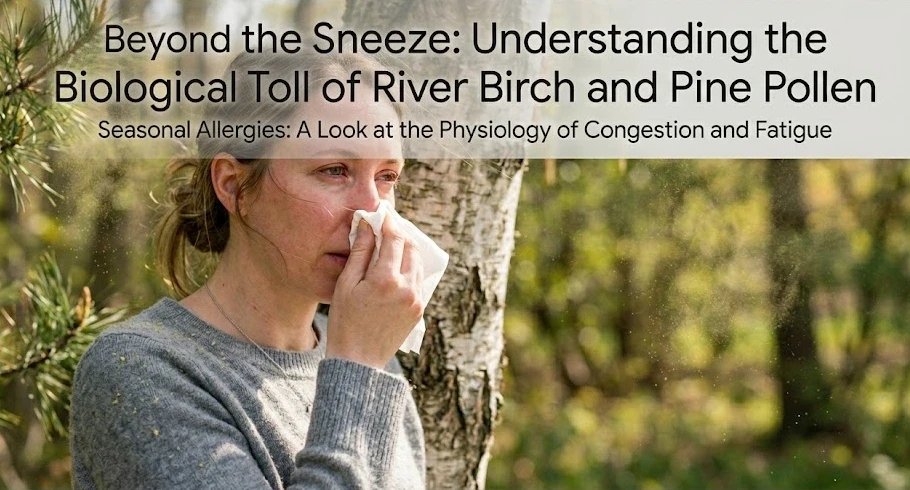
The most effective way to treat a pollen allergy naturally is to focus on biological flushing and inflammation reduction. This includes maintaining high cellular hydration to thin mucus, consuming natural antihistamines like Vitamin C to stabilize mast cells, and using antioxidants such as Glutathione to clear the oxidative stress caused by triggers like River Birch and Pine.
The Science of Seasonal Relief: Navigating River Birch and Pine Pollen Allergies
Every spring, the air fills with microscopic spores that trigger a complex chain reaction in the human immune system. While many people associate seasonal allergies with simple sneezing, the biological reality involves a massive release of chemicals that can lead to systemic fatigue and chronic sinus pressure.
What Exactly Is a Pollen Allergy?
A pollen allergy occurs when your immune system misidentifies harmless plant proteins as a viral or bacterial threat. In an attempt to protect you, your body produces Immunoglobulin E (IgE) antibodies, which signal your cells to release histamine. This chemical is responsible for the swelling, itching, and congestion that characterize allergy season.
The Local Impact: River Birch and Pine
In our region, two specific trees contribute to the majority of seasonal discomfort:
River Birch: These trees produce catkins that release fine, highly buoyant pollen. Because the particles are so small, they easily bypass nasal hairs and reach the lower respiratory tract, often causing more severe reactions than larger pollens.
Pine Pollen: Known for its heavy, yellow "dust," pine pollen is produced in massive volumes. While its size makes it less likely to be inhaled deeply, its sheer quantity can coat the mucosal membranes, causing significant localized irritation and sinus heaviness.
How to Treat and Manage Your Pollen Allergy
Managing your body's reaction to the environment requires a multi-layered approach that addresses both the external triggers and the internal response.
1. Support the Natural Histamine Flush
Histamine stays in your system until it is broken down by specific enzymes. Supporting your liver and kidneys with proper hydration and micronutrients allows your body to filter these inflammatory chemicals more rapidly.
2. Strengthen the Cellular Barrier
When your mucosal membranes are dry, they become porous and more susceptible to pollen penetration. Maintaining a high level of internal hydration ensures these barriers remain effective at trapping and moving pollen out of the body through natural drainage.
3. Neutralize Oxidative Stress
The constant "attack" from pollen particles causes oxidative stress at the cellular level. This is why many people feel physically exhausted during high pollen days. Incorporating powerful antioxidants into your routine can help protect your cells from this seasonal wear and tear.
If you are struggling with persistent sinus pressure during peak pollen counts, our Andover allergy and sinus IV treatments provide a systemic approach to restoring respiratory comfort and mental clarity.
How Does River Birch Pollen Affect My Energy Levels?
River Birch is known for its high allergenicity. When your body is constantly fighting these spores, it enters a state of oxidative stress. This stress depletes your body’s natural antioxidant stores, which can lead to physical exhaustion even if you are getting enough sleep.
What Is The Best Way To Flush Pollen Out Of My System?
Beyond using nasal rinses, internal hydration is key. Increasing your intake of electrolytes and antioxidants helps your liver and lymphatic system process the inflammatory byproducts of an allergic reaction more efficiently.
Why Does My Allergy Brain Fog Feel Worse During Pine Season?
Pine pollen is often heavy and abundant, forcing the immune system into a state of high-alert. This constant production of inflammatory cytokines can cross the blood-brain barrier, resulting in the lethargy and "foggy" feeling many experience during peak counts.
Why Do My Seasonal Allergies Cause So Much Fatigue?
Allergy fatigue is caused by the high energy demands of a constant immune response. Your body redirects resources to fight the perceived "invader," leaving you with less ATP (cellular energy) for daily tasks and cognitive function.
How Long Does Pollen Stay In The Human Body?
While you might stop sneezing shortly after going indoors, the inflammatory cytokines and histamines triggered by River Birch or Pine can circulate in your bloodstream for several hours or even days depending on your hydration levels.