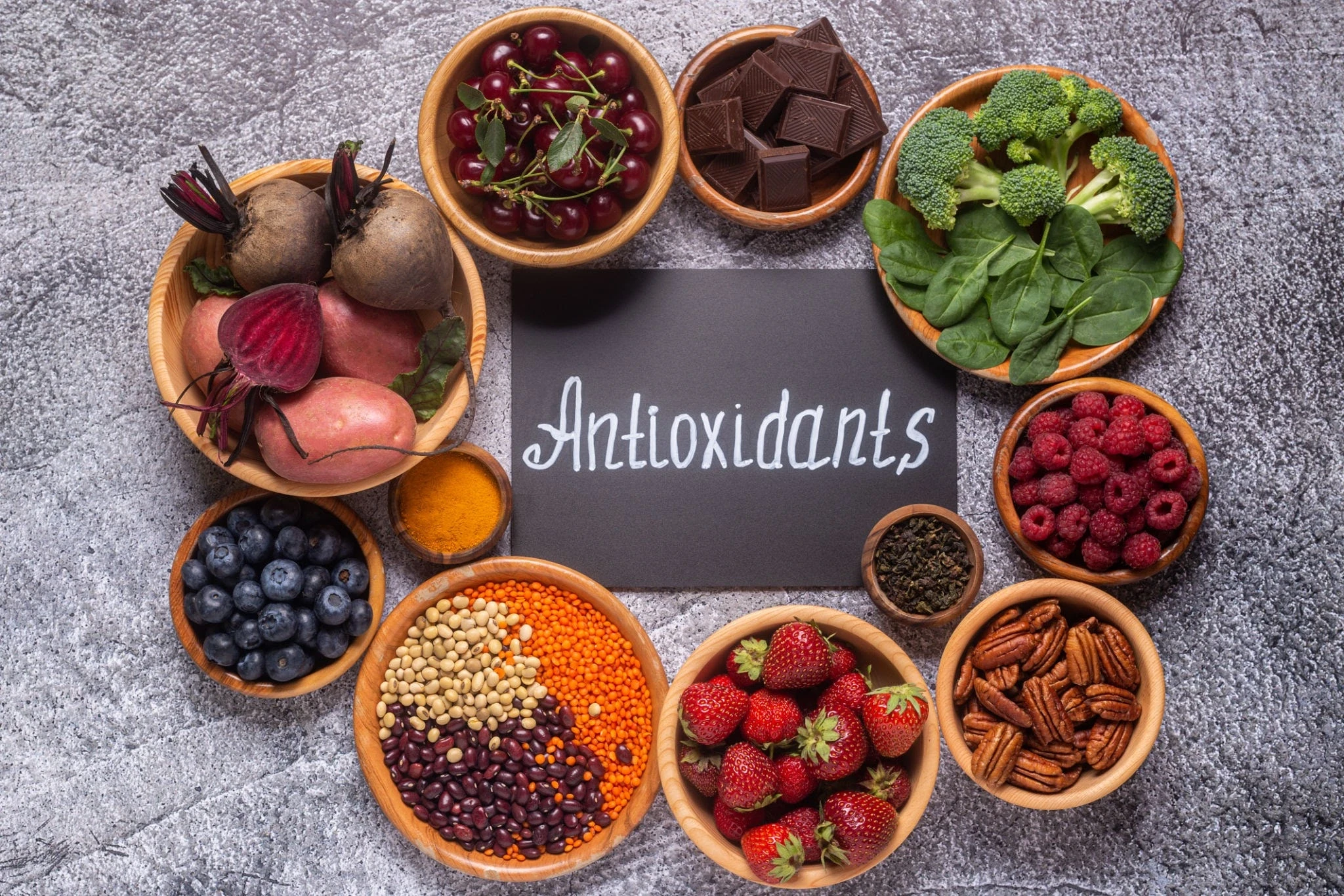
Inside your body, a non-stop microscopic battle determines how fast you age, how well your joints feel, and how much natural energy you have. At the center of this battle are antioxidants.
Understanding exactly what antioxidants are and how to consume them is one of the most effective ways to protect your long-term cellular health.
What Is Antioxidant?
An antioxidant is a molecule that prevents cellular damage by safely donating an electron to unstable, highly reactive atoms called free radicals. By neutralizing these unstable molecules, antioxidants stop a chain reaction known as oxidative stress, protecting cell integrity and reducing systemic chronic inflammation.
What Is the Strongest Antioxidant?
Glutathione is the strongest antioxidant in the human body. Often referred to by medical professionals as the "Master Antioxidant," glutathione is produced naturally by the liver and is found inside nearly every cell in your body.
Unlike dietary antioxidants that you get from eating fruits or vegetables, glutathione has the unique ability to maximize and recycle other critical antioxidants—such as Vitamin C and Vitamin E—allowing your system to continuously fight off free radicals.
While your body synthesizes its own supply, factors such as poor sleep, chronic stress, aging, and environmental toxins rapidly deplete these reserves. Because oral glutathione breaks down heavily during the digestive process, utilizing targeted IM Vitamin Shots bypasses the gut completely to deliver these powerful protective compounds directly into your system for maximum cellular absorption.
Antioxidant Benefits
Regularly flooding your system with antioxidants helps tip the scale back toward optimal cellular health. When you balance your internal ecosystem, you unlock several key physiological advantages:
Neutralizes Oxidative Stress: They immediately halt free radicals from stealing electrons from your healthy cell membranes, preserving the long-term integrity of your tissues.
Protects Cellular DNA: By neutralizing reactive oxygen species before they penetrate deep into the cell nucleus, antioxidants help prevent structural damage to your genetic blueprints.
Supports Mitochondrial Energy: They protect your mitochondria—the cellular powerhouses—from burning out, which translates directly into clearer mental focus and sustained daily energy.
Accelerates Tissue Recovery: Reducing oxidative damage in muscle tissues allows your body to repair micro-tears faster after rigorous physical exertion or exercise.
Promotes Vascular and Skin Health: Antioxidants safeguard collagen matrices and blood vessel walls from degrading, supporting skin elasticity and healthy cardiovascular blood flow.
Anti Oxidant Foods Listesi (High-Antioxidant Foods List)
To combat daily oxidative damage, your diet should be rich in diverse, brightly colored whole foods. The table below lists the top antioxidant-rich foods categorized by their primary active protective compounds.
Food Category | Top Examples | Primary Antioxidant Compound |
Berries | Wild Blueberries, Blackberries, Raspberries | Anthocyanins |
Spices & Herbs | Turmeric, Cloves, Cinnamon, Ginger | Curcumin, Eugenol |
Dark Leafy Greens | Kale, Spinach, Swiss Chard | Lutein, Zeaxanthin |
Nuts & Seeds | Pecans, Walnuts, Flaxseeds | Vitamin E, Polyphenols |
Indulgences | Extra Dark Chocolate (85%+), Green Tea | Flavanols, EGCG |
Stone Fruits | Tart Cherries, Plums, Prunes | Cyanidin, Hydroxycinnamic acids |
Deep Dive: Turmeric and Cherries
Two specific foods are frequently researched for their exceptional health profiles. Let's look at the exact science behind why they work.
Is Turmeric an Antioxidant?
Yes, turmeric is a highly potent antioxidant. The active chemical element in turmeric is curcumin. Curcumin works on a dual path: it directly neutralizes free radicals due to its chemical structure, and it simultaneously signals the body to release its own internal antioxidant enzymes. This powerful combination gives turmeric its legendary status as a natural cellular shield.
Are Cherries an Antioxidant?
Yes, cherries are an excellent source of antioxidants. Tart cherries and sweet dark cherries are loaded with anthocyanins and polyphenols. These specific antioxidants target muscle tissues and blood vessels. Clinical studies frequently highlight tart cherry juice for its ability to reduce oxidative muscle damage and drastically accelerate physical recovery times after intense exercise.
Antioxidant and Anti-Inflammatory Properties: The Vital Connection
You cannot separate an antioxidant from its anti-inflammatory properties; they are two sides of the same physiological coin.
When your cells suffer from high amounts of free radical damage, your immune system views this as an injury and triggers an inflammatory response. If the free radicals are not neutralized, that inflammation becomes chronic.
[Free Radicals Build Up] ➔ [Oxidative Stress / Cell Damage] ➔ [Immune System Triggers Inflammation] ➔ [Chronic Joint & Tissue Pain]
When you consume or infuse compounds with high antioxidant and anti-inflammatory properties, you cleanly break this cycle. The antioxidant stops the initial cellular damage, while the anti-inflammatory properties down-regulate the body's inflammatory markers (like C-Reactive Protein), leading to reduced joint pain, clearer cognitive function, and faster tissue repair.
Consuming or infusing compounds rich in both antioxidant and anti-inflammatory properties elegantly interrupts this process. The antioxidant component delivers target neutralization at the source, while the anti-inflammatory properties calm down hyperactive immune pathways. If you are struggling with chronic inflammation that manifests as seasonal respiratory issues, exploring our specialized IV Therapy for Allergy and Sinus in Andover, MA can provide immediate, targeted relief.
What Is The Meaning Of Oxidative Stress?
Oxidative stress is an imbalance inside your body where the number of unstable free radicals outnumbers the available antioxidants to neutralize them. This imbalance leads to progressive damage to cell membranes, proteins, and DNA strands.
What Are The Main Signs Of Low Antioxidant Levels?
Common indicators of high oxidative stress and low antioxidant defenses include chronic unexplained fatigue, persistent joint or muscle stiffness, frequent low-grade illness, premature skin wrinkling, and brain fog.
Can You Get Enough Antioxidants Purely From Food?
While a diet rich in organic fruits, vegetables, and spices is foundational, modern environmental factors such as pollution, chronic stress, processed foods, and soil nutrient depletion often mean your body can benefit from targeted, highly bioavailable wellness therapies to fully maintain its antioxidant reserves.
How Do Free Radicals Form Inside The Body?
Free radicals form as a natural byproduct of normal cellular metabolism when your body converts food into usable energy. However, their production escalates dramatically when your system is exposed to external triggers such as ultraviolet radiation, cigarette smoke, environmental toxins, and industrial air pollution.
Does Cooking Alter The Antioxidant Value Of Foods?
Yes, thermal processing can significantly change antioxidant concentrations depending on the cooking style used. High heat boiling often causes water soluble antioxidants like Vitamin C to leach out into the cooking water, whereas gentle steaming or roasting can sometimes break down tough plant cell walls and actually increase the bioavailable delivery of specific fat soluble antioxidants like lycopene and beta carotene.